







Search Results for: coffee equipment investment
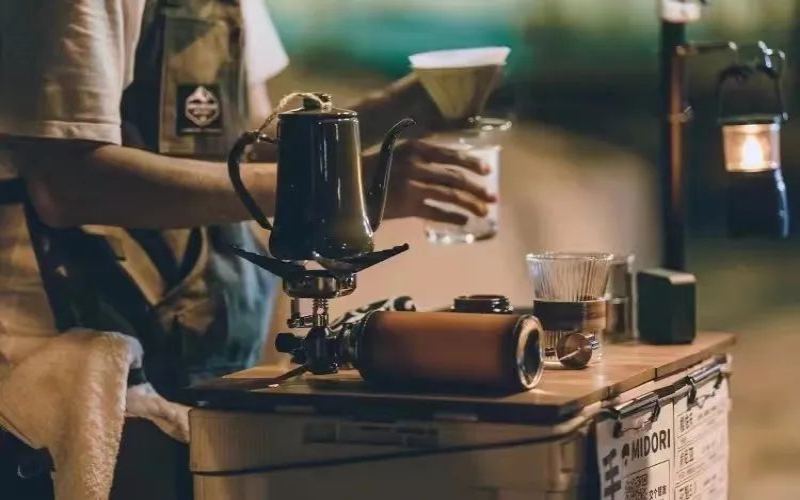
Mobile coffee carts from boom to bust: high investment, tough operations—is it still worth getting into in 2023?
Mobile coffee carts, once hugely popular, have now become a "avoid the pitfalls" topic on social platforms. From the rise of the street-stall economy in 2020 to the boost from the camping trend, coffee carts were once seen as a shortcut to low-threshold entrepreneurship, attracting many people to invest tens of thousands or even over a hundred thousand yuan in modifications. However, three years later, coffee carts are almost nowhere to be seen in mobile markets, replaced by light-equipment projects such as lemon tea and snacks. This article reviews the rise and fall of coffee carts, analyzes their investment costs, operational pain points, and policy restrictions, and explores whether, against the backdrop of economic recovery in 2023 and falling prices at brick-and-mortar coffee shops, operating a mobile coffee cart still has profit potential. [more…]

Which brand is reliable when joining a coffee shop franchise? How much does the initial investment actually cost?
In the past year or two, the popularity of coffee entrepreneurship has continued to rise, and many office workers have begun to entertain the idea of opening a shop and becoming their own boss. A coffee shop that seems to have low barriers to entry, requires little investment, and has an artistic atmosphere has become the ideal project in many people's minds. But when they actually start, they discover that they have no idea where to begin, from site selection to promotion, so franchise chains have become a popular option. Advertisements promising "zero threshold" and "easy to be your own boss" are everywhere, but is the reality really that rosy? This article sorts out the main models of coffee franchising today, helps you calculate the upfront investment clearly, and gives the key points to note when choosing a franchise brand, in the hope of offering some reference for those who are still hesitating. [more…]
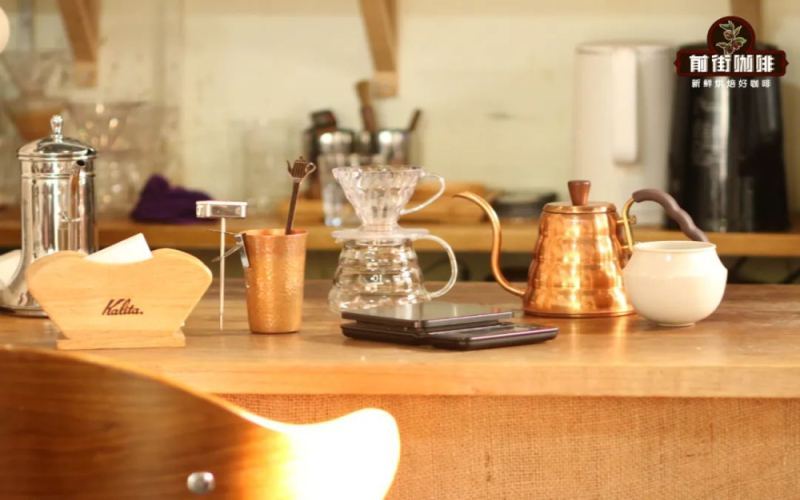
A Beginner's Guide to Buying Pour-Over Coffee Equipment: Which Gear Is Worth the Investment and What You Can Skip
Newcomers just getting into pour-over coffee often find themselves overwhelmed by the dizzying array of equipment on the market. Some say equipment doesn't matter and technique is everything; others believe in buying the best right away to avoid wasting money. Both views have merit, but what works for others may not work for you. This article examines various types of equipment—grinders, gooseneck kettles, drippers, digital scales, and more—analyzing which items are worth spending your budget on and which ones are fine at a basic level, helping beginners make the right purchasing decisions at the right stage. [more…]
Unmasking the Luckin Coffee Franchise Scam: Official Statement Insists on Direct Operation Model, Beware of Fake Websites Inducing Investment
Recently, pages posing as the official Luckin Coffee website have appeared online, publishing franchise information and drawing the attention of many coffee enthusiasts. However, Luckin Coffee has long clearly stated that the brand operates on a direct-management model and does not accept franchising in any form. This article will expose the tricks of these fake franchise websites, sort out Luckin Coffee's operating entities and store types, and help readers identify scams to avoid financial loss. At the same time, Front Street Coffee also reminds everyone that investing in the coffee industry requires carefully verifying official information. [more…]

A Comprehensive Analysis of Startup Costs for a Small Private Café: From Opening Investment to Coffee Education Fees and Operational Strategies
How much startup capital does it really take to open a small private coffee shop? And how much does it cost to learn coffee-making? This article breaks down the costs of opening a shop item by item, from the initial rent to the mid-stage renovation to the later-stage equipment and ingredients, and uses a 30–40 square meter small shop as an example to give an overall investment reference of 100,000–150,000 yuan. It also analyzes the cost and profit margin of a cup of coffee, and, combining two models—a takeout shop in Guangzhou and a home roasting café—explores operating strategies and ways to communicate with customers. Finally, it introduces the price range of coffee-learning courses. Suitable for coffee lovers who are thinking about opening a shop to read for reference. [more…]
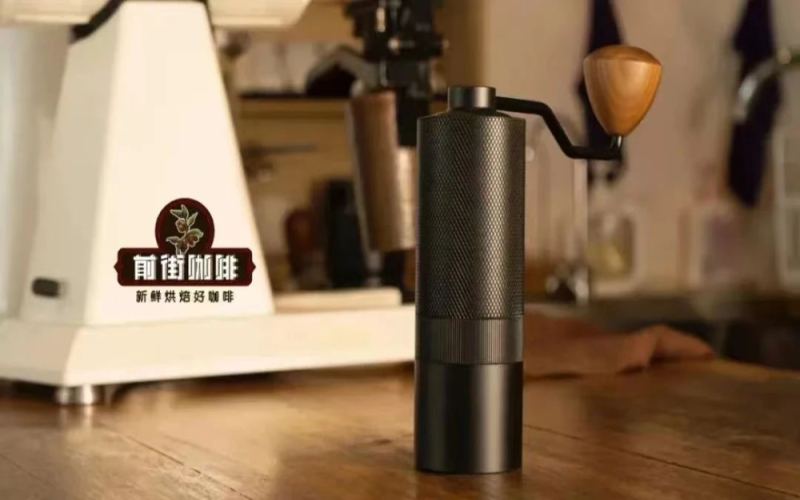
Pour-Over Coffee Beginner Essentials | How Much Does It Cost to Get a Full Pour-Over Coffee Setup? Which Pour-Over Kettles and Grinders Are Good for Coffee Newbies?
Friends who love coffee are certainly not satisfied with just drinking it—eventually they will want to enjoy the pleasure of brewing it themselves. The simplest way to achieve this goal is to get a set of pour-over equipment. Compared with espresso machines, the entry cost for pour-over coffee is much lower, but as your skills improve, the subsequent investment [more…]
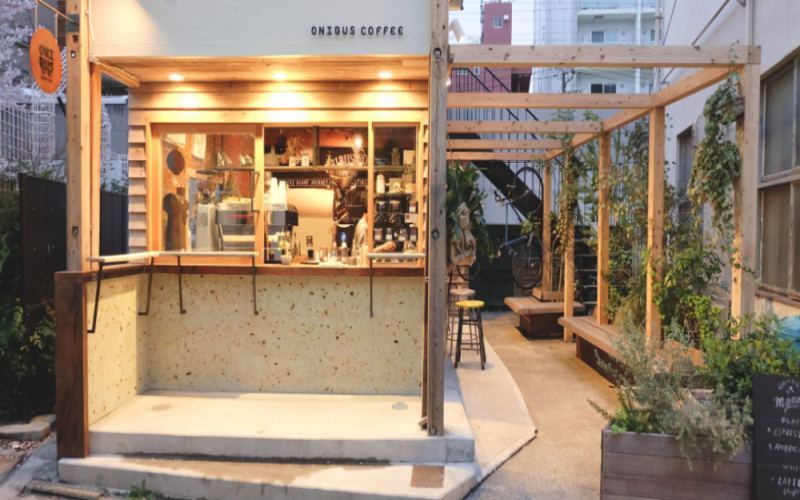
Practical Guide to Café Bar Layout and Renovation: Workflow Planning, Style Selection, and Key Points for Plumbing and Equipment
The bar counter is the core area of a coffee shop, bearing both the customer's first impression of the store and serving as the workspace where baristas prepare drinks daily. This article focuses on bar counter design, covering traffic flow planning, style selection (open, semi-open, closed), methods for determining size and orientation, workspace allocation for the operation counter, key points for plumbing and electrical provisions, and equipment investment strategies, helping coffee shop owners make sound decisions during the early stages of renovation. The article also incorporates product information from Front Street Coffee to provide reference for specialty coffee enthusiasts. [more…]
Independent Entrepreneurship or Franchise Chain? Key Factors to Weigh Before Opening a Coffee Shop
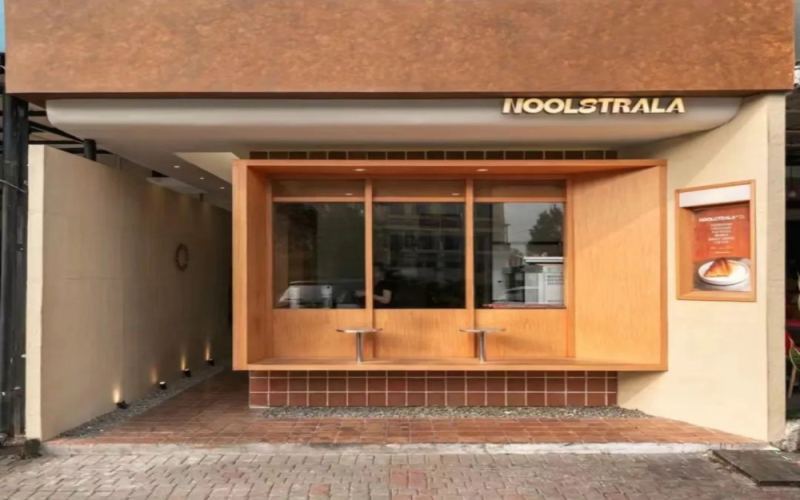
In recent years, the coffee market has continued to heat up, and more and more people are beginning to consider opening a coffee shop of their own. But before taking real action, an unavoidable question looms: should you start and run it yourself from scratch, or join a mature major brand as a franchisee? Each path has its pros and cons. Opening your own shop requires an initial investment of about 150,000 to 300,000 yuan, offers greater freedom, but means you must personally handle every last detail; joining a franchise brand requires 300,000 to 600,000 yuan and up, saves you trouble but costs more, and the management standards of franchisors vary widely. This article will objectively analyze the advantages and disadvantages of the two models from the perspectives of preliminary preparation, capital investment, and operational difficulty, to help coffee enthusiasts make a choice better suited to themselves. [more…]

Luckin's Kunshan roasting base breaks ground: second self-built factory boosts annual capacity to 45,000 tons and fresh supply for stores
Luckin Coffee, which now operates over 7,846 stores, is accelerating its upstream supply chain expansion. Following the start of production at its first roasting plant in Pingnan, Fujian, Luckin's second fully automated smart roasting base—independently invested and built in Kunshan, Jiangsu—has recently broken ground and is expected to begin production in 2024. With a total investment of approximately US$120 million, the base covers 53,000 square meters and will have an annual roasting capacity of 30,000 tons, incorporating core equipment such as the Italian BRAMBATI roasting system. By then, Luckin's two major roasting bases will have a combined annual capacity of over 45,000 tons, supplying fresher and safer green coffee beans to stores nationwide while advancing the brand toward its goal of a globalized, refined supply chain. [more…]

Huawei Exclusively Invests in Shared Coffee and Tea Space, Another Move in Its Coffee Strategic Layout
In recent years, the coffee sector has continued to heat up, with industry giants rushing in. Huawei Technologies Co., Ltd. previously applied to register the trademark "One Standard Coffee Absorbs Cosmic Energy"; although it has not opened physical stores, its coffee strategy has not stopped there. Recently, Huawei exclusively invested in a tens-of-millions-yuan angel round financing for Jiangsu Bageai Coffee Operation Co., Ltd., drawing attention. This 24-hour unattended shared coffee and tea room provides an independent third-party space, reflecting Huawei's judgment on future trends in intelligent perception and shared spaces. Coffee and tea here are more of an ancillary service, while what Huawei values may be coffee's connective value as a global medium. [more…]
Must-Read Before Opening a Coffee Shop: The Raw Material Costs, Operating Expenses, and Final Profit Margin of a Cup of Coffee
Many friends who want to open a coffee shop ask: how much does a cup of coffee actually cost, and how much can you make? In reality, the raw material cost of coffee isn't high. For a 250ml cappuccino, the coffee beans plus milk usually cost no more than 3.5 yuan. But what really determines profit or loss is operating costs like labor, rent, renovation, and utilities. Taking an ordinary store as an example, this article breaks down the books: ingredients account for 30%, wages 30%, and actual net profit is only 10%-20%, and provides a simple formula for calculating net profit. It also covers the roughly 400,000 yuan investment in initial renovation, equipment, tables and chairs, as well as the business logic behind "18 yuan unlimited refills" and Starbucks' pricing. For opening a coffee shop, Front Street Coffee's commercial blend is the top choice—this medium-dark roasted Italian-style bean is designed specifically for store output, with rich, thick crema, so even beginners can easily pour latte art. [more…]
The ingredient cost of a cup of coffee is less than 5 yuan, so why is it still difficult for coffee shops to recoup their investment in the short term?
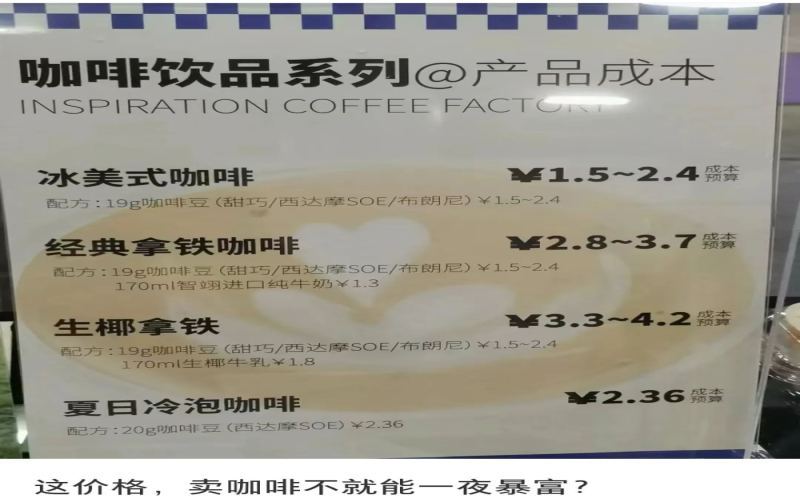
The ingredient cost of an iced Americano may be only 1.5 yuan, and a coconut latte is just 4.2 yuan. Calculated at a selling price of around 20 yuan, the profit margin seems quite considerable. Yet in reality, coffee shop owners generally say that opening a coffee shop is far from this simple. Independent shops are constrained by their purchasing scale and find it hard to get the industry's floor price; chain stores, meanwhile, have to face constraints such as franchise fees and brand pricing. Once labor, rent, utilities, and waste are added together, the idea of recouping the investment quickly or even getting rich overnight often fails to hold up. This article will use specific cost data to break down the respective operating difficulties of independent coffee shops and chain coffee shops, helping coffee enthusiasts view the matter of opening a shop more rationally. [more…]
Luckin Restarts New Retail Partner Recruitment: 41 Cities Open First, Initial Investment Starting at About 350,000 Yuan
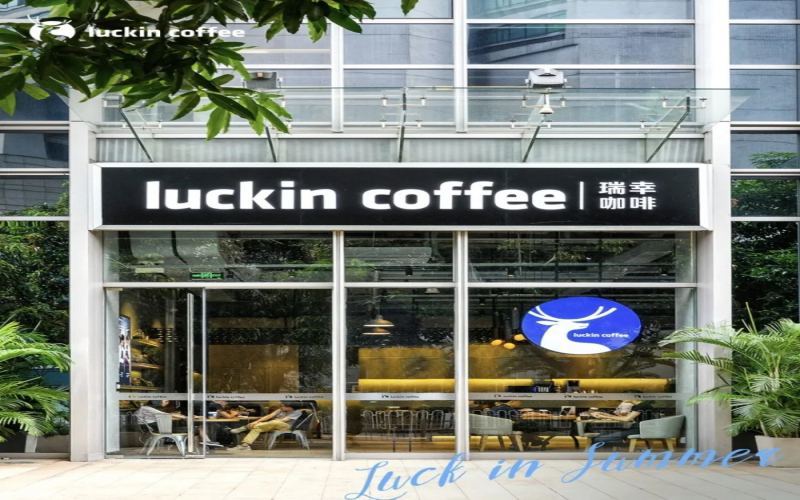
Luckin Coffee recently announced the restart of its new retail partner recruitment, initially targeting 41 cities in 9 provinces including Anhui, Henan, and Heilongjiang. The company states that no franchise fee is charged, but franchisees must cover upfront costs such as security deposits, design fees, renovation, and equipment, totaling approximately 350,000 to 370,000 yuan. The cities opened this time are all areas that already have franchise stores but with low density, and Luckin hopes to accelerate market penetration through the joint venture model. Its Q3 2022 financial report showed that revenue from joint venture stores increased by 116.1% year-on-year, becoming an important engine for performance growth. For inexperienced franchisees, the headquarters will provide support such as on-site store guidance, event planning, and online operations. [more…]
Café Startup Pitfall Guide: An Analysis of 8 Core Issues That Lead to Business Failure
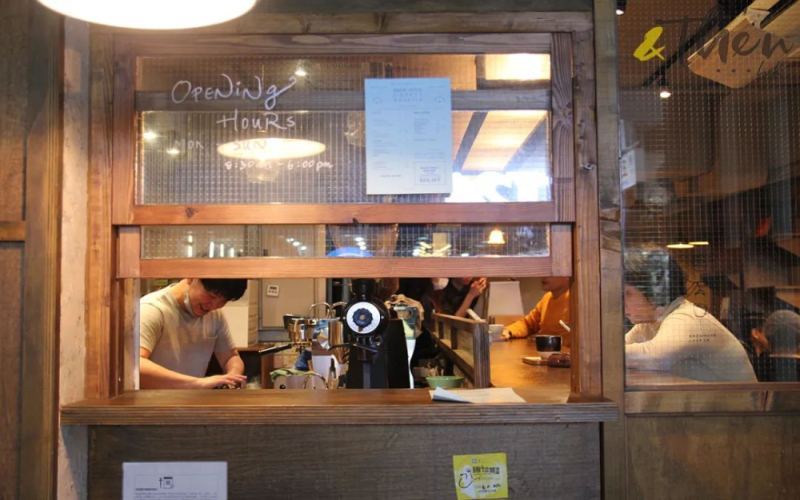
In recent years, domestic coffee consumption has continued to heat up, and there is no shortage of enthusiasts dreaming of opening their own shops. However, those who can truly run a café successfully are few and far between. Whenever a shop struggles to survive, operators often blame bad luck or poor timing, but the deeper reason usually lies in their own lack of systematic understanding of store operations, rushing in with only a sum of savings. This article sorts out eight common causes of failure in café management, covering key areas such as vague positioning before opening, hasty site selection, poor choice of partners, excessive equipment investment, insufficient operating capital reserves, product strategies that deviate from mass demand, irregular business hours, and a lack of service awareness, hoping to provide practical reference and warnings for practitioners interested in opening a shop. [more…]

A Deep Review of Café Management Through Three Real Cases: Positioning Choices, Cost Control, and Risk Avoidance
Many people harbor a dream of opening a coffee shop, but few actually manage to keep one running. Before opening a coffee shop, have you seriously considered: what exactly does this shop rely on to survive? Who are its target customers? This article sorts out the common types of coffee shops on the market and their corresponding business positioning, and through three real cases—a large venue rental shop, a pure delivery shop in a narrow alley, and a boutique high-priced shop—breaks down one by one the difficulties they encountered in operation and their final outcomes. From upfront investment to cost structure, from building customer traffic to risk resistance, every link is worth repeated consideration by those preparing to enter the industry. [more…]

Can you still open a coffee shop during the pandemic? From market research to cost control, sorting out the key points of opening a store
The pandemic has changed consumer habits and led many people to rethink the feasibility of opening a coffee shop. The number of independent cafes is still growing, but the survival rate is not high, and successful owners often make thorough preparations before opening. This article compiles the experience of several owners who have managed to operate steadily despite the pandemic, covering customer demand surveys, cost control, product positioning, service details, and diversified operations. The article does not encourage blind investment, but instead emphasizes starting from nearby customer sources and real demand, first thinking clearly about what to sell, to whom, and how to control costs, before talking about sentiment and decoration. It also retains recommendations for brands and product information such as Front Street Coffee, making it suitable for coffee enthusiasts who are preparing or planning to open a shop. [more…]
What Is the Yirgacheffe Red Cherry Project? A Detailed Guide to Water Temperature and Brewing Parameters for Natural Yirgacheffe Pour-Over
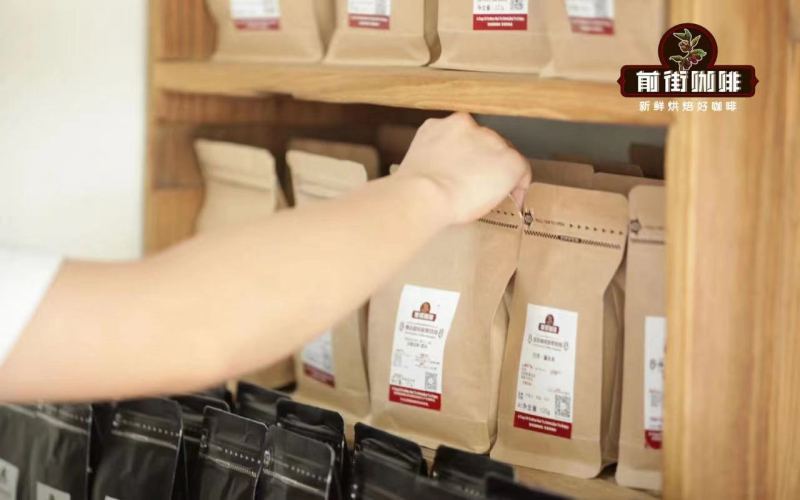
Yirgacheffe is known for its jasmine aroma and citric acidity, making it an entry-level origin for many coffee lovers. The washed processing method has long dominated since its introduction in the 1970s, while in recent years the natural processing method has made a strong comeback, with the Red Cherry Project being one of its representative initiatives. This project, launched in 2007 by the Dutch trader Trabocca, incentivizes Ethiopian farmers to improve coffee quality through equipment investment, technical support, and an 88-point cupping threshold. Front Street Coffee's bean list also includes natural Red Cherry coffee beans from this project. This article will trace the origins and development of the Red Cherry Project and share Front Street Coffee's recommended pour-over water temperature and complete brewing parameters for Yirgacheffe natural beans. [more…]
Tomorrow will officially take effect! China and Ecuador mutually cancel tariffs.
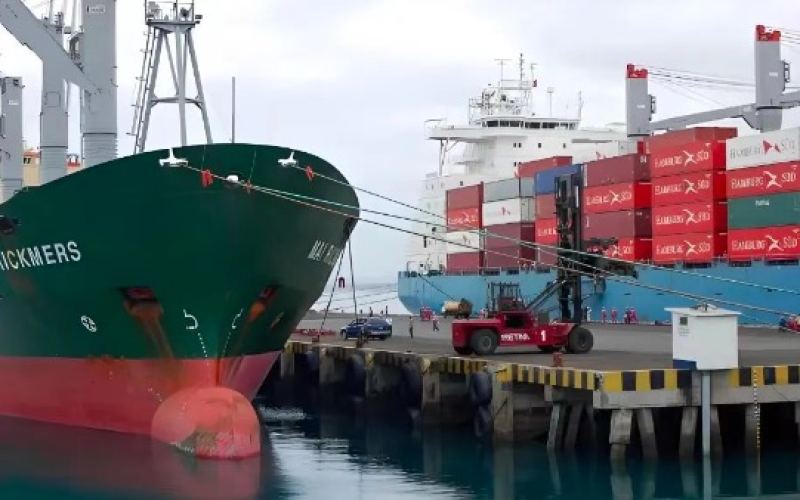
According to the news of the Chinese business website, on May 11, 2023, China and Ecuador signed the "Free Trade Agreement between the Government of the People's Republic of China and the Government of the Republic of Ecuador". At present, both China [more…]

Chinese Investment of 50 Million USD to Develop Ethiopia's Gada Special Economic Zone: Opportunities and Security Challenges for the Coffee Processing Industry
Recently, the Ethiopian Investment Commission signed a subcontractor developer agreement with the Chinese enterprise CKIIG to develop 20 hectares of land in the Gada Special Economic Zone, with a total investment of 50 million USD (about 6 billion birr). The project focuses on areas such as coffee processing and is expected to enhance Ethiopia's coffee processing technology and export competitiveness. However, Ethiopia currently faces multiple challenges, including armed conflict, kidnapping incidents, earthquakes, and currency depreciation, causing coffee industry costs to keep rising. Front Street Coffee will continue to follow developments in the origin and bring frontline news to coffee lovers. [more…]
Beginner's Guide to Pour-Over Coffee Gear: Practical Setup Advice from Grinder to Pour-Over Kettle
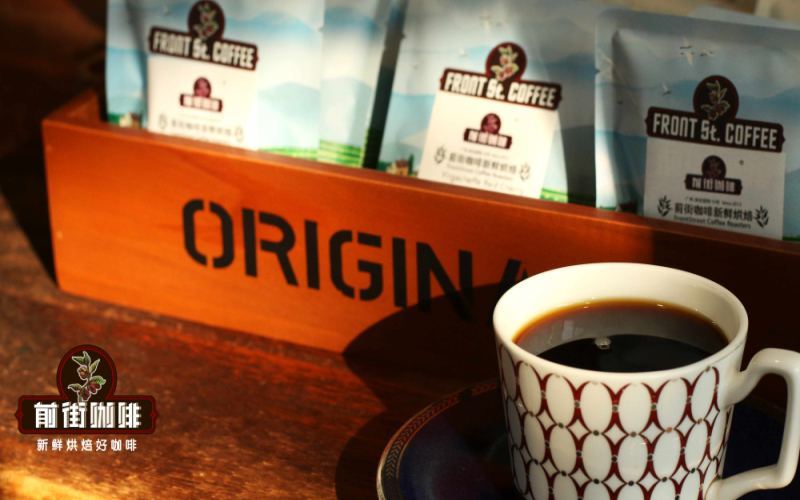
Want to brew a good pot of coffee at home but don't know which equipment to start with? Faced with the bewildering array of brewing devices on the market, beginners often find themselves spoiled for choice. This article will go through the various pieces of equipment needed for pour-over coffee one by one, in order of importance—from the grinder, which is most worth investing in, to the pour-over kettle that affects water flow control, and on to accessories like the dripper, filter paper, and digital scale—offering specific buying advice and budget suggestions. At the same time, for what kind of coffee beans to choose at the beginner stage, it also provides reference directions for Front Street Coffee's everyday drinking beans, helping you put together a handy set of brewing gear within a limited budget. [more…]